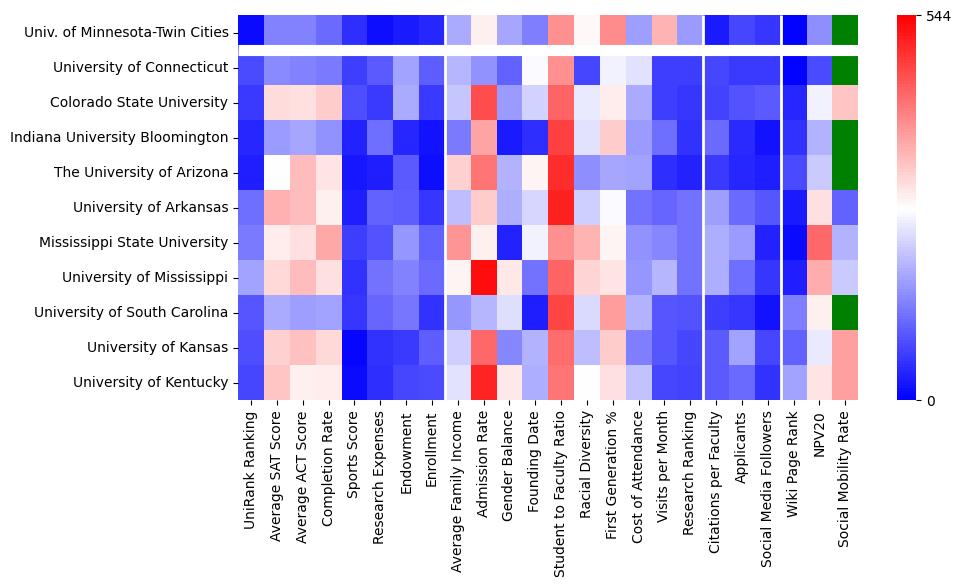
The University of Minnesota-Twin Cities, established in 1851, is a prestigious public research university located in the heart of Minneapolis and Saint Paul. It is the flagship institution of the University of Minnesota System and boasts a rich history of academic excellence and innovation. The campus is expansive, covering over 1,200 acres, and serves as a vibrant hub for more than 50,000 students. Known for its commitment to research, the university is classified as an R1 Doctoral University, highlighting its significant research activity across a multitude of disciplines.
What sets the University of Minnesota-Twin Cities apart is its strong emphasis on interdisciplinary collaboration and its dedication to public service. The university is home to over 900 student organizations, providing myriad opportunities for students to engage in campus life and explore diverse interests. Its strategic location in the Twin Cities offers students access to a bustling metropolitan area with ample professional opportunities, cultural experiences, and recreational activities. The university also prides itself on its sustainability initiatives, aiming to reduce its carbon footprint and promote environmental stewardship across its community.
Academically, the University of Minnesota-Twin Cities is renowned for its rigorous programs and distinguished faculty. It consistently ranks among the top public universities in the United States, with standout programs in fields such as engineering, business, and the health sciences. The Carlson School of Management is particularly notable, offering highly regarded programs in business administration and entrepreneurship. Similarly, the College of Science and Engineering is celebrated for its cutting-edge research and innovative curriculum, preparing students to excel in various high-demand fields.
While the University of Minnesota-Twin Cities offers numerous strengths, there are areas that present challenges. The large student population can sometimes lead to issues with class sizes and student-to-faculty ratios, potentially impacting the level of personalized attention some students may desire. Additionally, Minnesota's cold and lengthy winters can be a significant adjustment for those not accustomed to such climates. However, the university's robust support services and well-connected campus community work diligently to address these concerns, ensuring students have the resources they need to thrive academically and personally.